In-person & Online Services
1215 Weiss St. Suite A, Frankenmuth, MI 48734
Athlete Performance & Injury Risk Screening
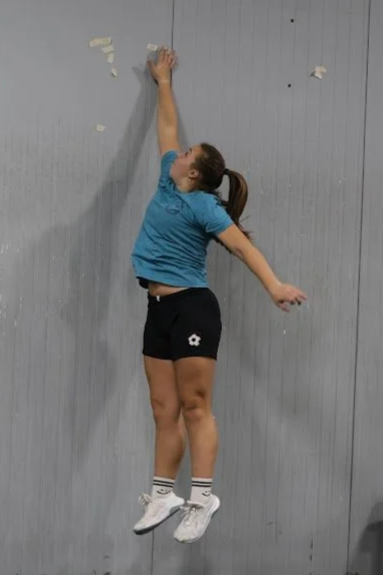
An athlete performance and injury risk screening is an overcomplicated way of saying.. a test to look at how an athlete moves, their strength, their power and their symmetry. There is an old saying: ‘if you aren't assessing, you're guessing’ and as a physical therapist, knowing and seeing the data not only helps build more customized and specific programs for patients/athletes but it also allows them to be engaged with the process, create goals and visualize their progress.
-
This screening can be used for anyone, however, it is geared towards athletes (of any age) who participate in higher risk sports – soccer, basketball, football, volleyball.
Also, for athletes wanting to further their sports career and better their performance.
-
Pre injury data – similar to a concussion screen, a pre injury screen allows us to have a goal to reach or surpass if an injury does occur.
Limb symmetry index (LSI) – we can identify the magnitude of asymmetry between limbs as a reference point, then gear programming towards restoring the most affected (or injured) limb to within an acceptable percentage of the least affected (or healthy) limb.
Normative data – Normative data allows us to benchmark athletes against peers of similar age, sex, sport, and level to identify deficits and set clear performance goals. This helps athletes understand where they are now and what is needed to reach the next level.
-
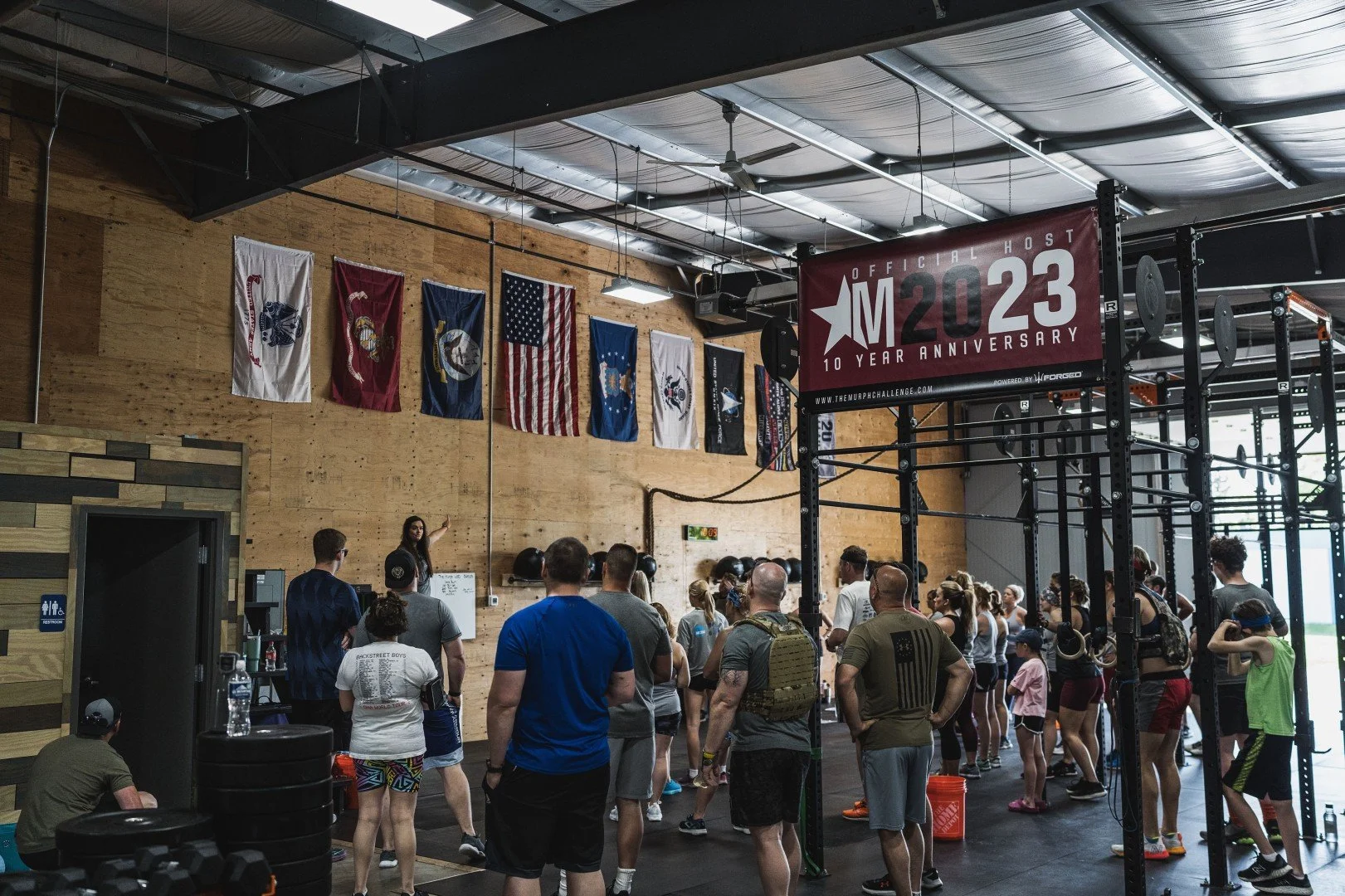
Grind Fitness, Frankenmuth or can be done at local gyms, universities, etc.
-
Davis Injury and Prevention utilizes the VALD performance system compiled of both the ForceDecks and the DynaMo for their assessments. More information can be found on https://valdperformance.com/
-
Initial evaluations
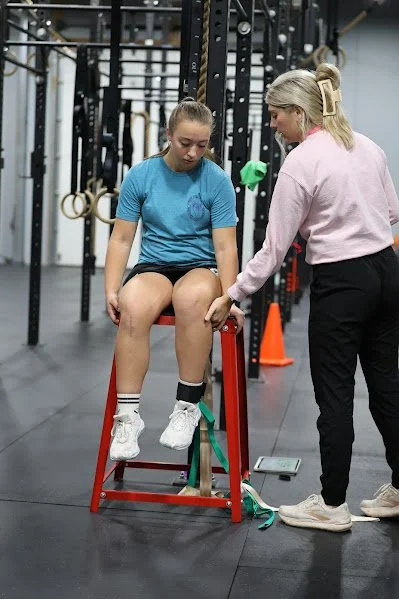
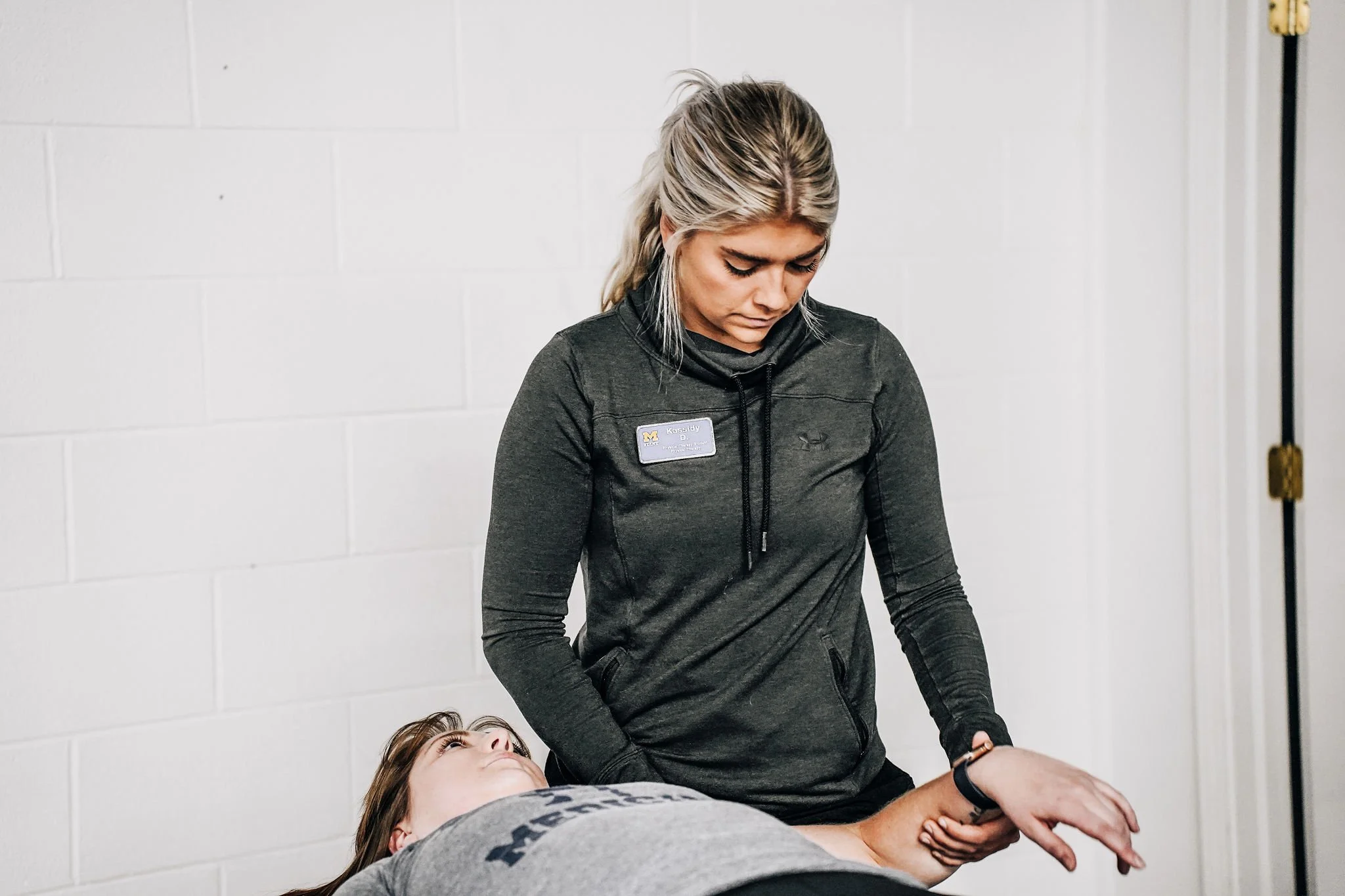
During your initial evaluation, we will assess your movement, strength, and symptomology while discussing your medical history and personal goals. This helps me develop a customized treatment plan designed to support your recovery and improve your function.
-
Follow-ups
Follow-up sessions (30 or 60 minutes) focus on implementing your personalized treatment plan through hands-on therapy and guided exercises. During these visits, I adjust your program based on your improvements and any new concerns to ensure steady recovery.
-

Online evaluations
Online injury and pain screenings are virtual assessments that help you understand the possible causes of your discomfort and guide next steps for treatment. Through questions about your symptoms, medical history, and lifestyle, you will be given personalized advice to help you decide if further care or rehab is needed.
-

Balance/wellness screenings
A balance and wellness screening is a brief assessment that evaluates an individual’s stability, mobility, strength, and overall physical function to identify fall risk and promote safe, active living.
-
Return-to-sport testing
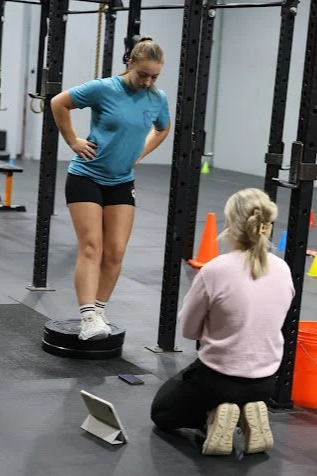
Return to sport testing is a series of objective assessments and functional tasks performed later in post-operative rehabilitation to determine if an athlete is physically ready to safely return to their sport. It includes strength, mobility, balance, and performance-based measures, along with observation of movement quality and compensations.
-

Pre and post concussion assessments
These assessments involve testing cognitive function, balance, coordination, visual deficits, cardiorespiratory deficits and overall symptoms to establish a baseline and identify changes following a head injury. These evaluations help track recovery progress and support safe decision-making for return to activity.
-

Dry needling
Dry needling is a technique that involves inserting thin, sterile needles into muscles, tendons, ligaments, and scar tissue to release tension, reduce pain, and improve mobility. It also stimulates the nervous system to modulate pain, restore normal movement patterns, and promote tissue healing.
-

Vestibular rehab (dizziness/vertigo)
Vestibular rehabilitation is a specialized form of therapy that uses targeted exercises to retrain the brain and inner ear to work together, improving balance, stability, and gaze control. It helps reduce dizziness and vertigo caused by conditions such as BPPV, concussion, inner ear disorders, and vestibular hypofunction.
-
Group workshops
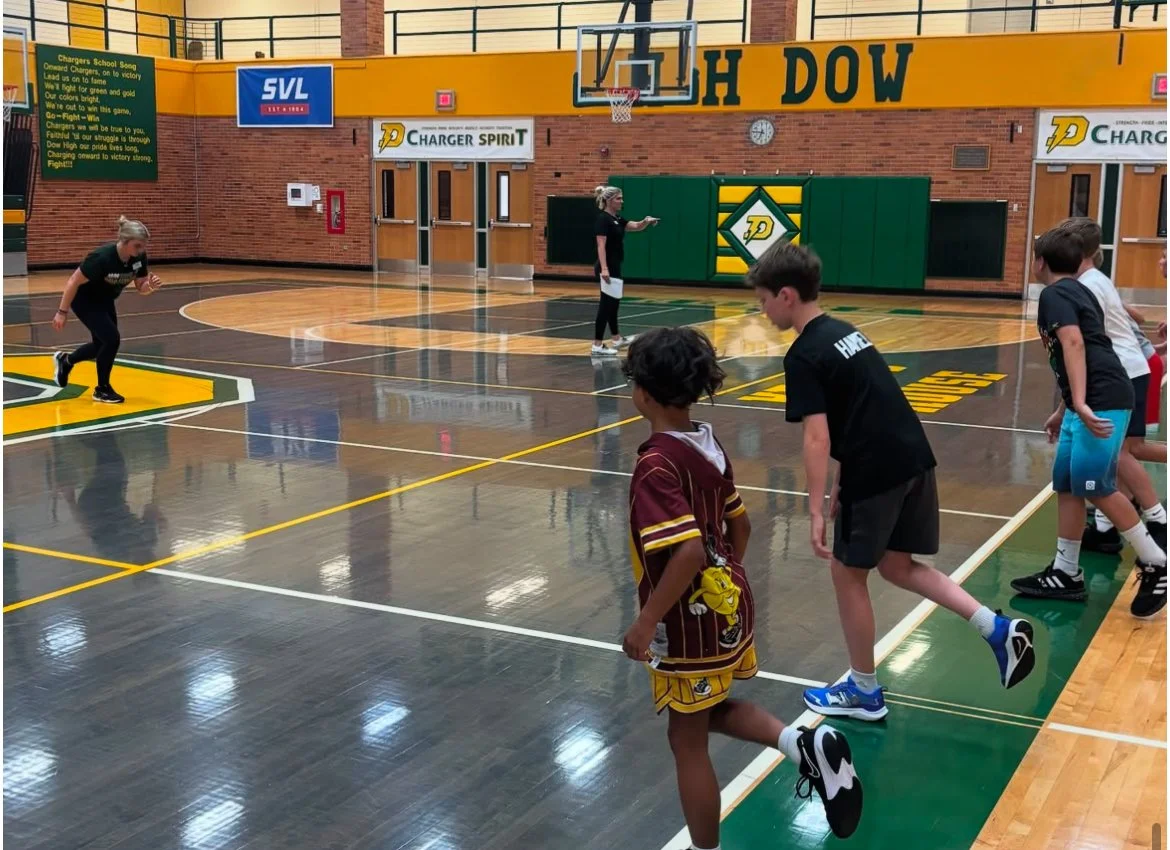
Group workshops are educational sessions focused on specific health topics such as nutrition, injury programming, and fall risk. They provide participants with valuable information and practical strategies to improve their health and increase their knowledge in specific areas.

See if these services are right for you
HSA/FSA Eligible
